
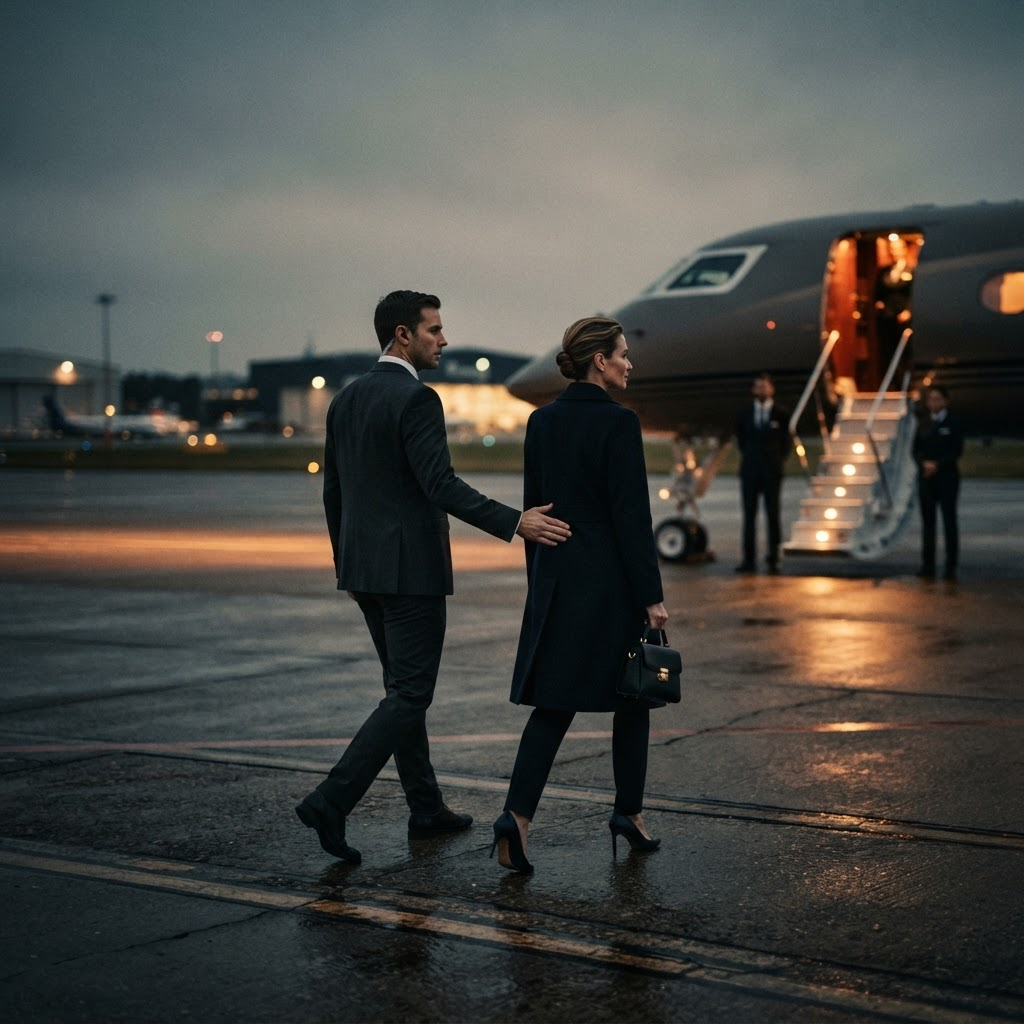
Executive Summary
Travel is when executives are most exposed and least in control of their environment. Protective travel programs manage that exposure through advance work — surveying destinations, planning routes, arranging secure transportation, and coordinating with hotels, venues, and, where appropriate, local resources — so the principal moves smoothly and safely.
Effective travel security is preventive and low-profile. The itinerary is protected, arrivals and departures are planned, and contingencies are prepared before wheels-up. Whether the trip is a single domestic engagement or a multi-city international itinerary, the objective is continuity: the principal conducts business as normal while risk is quietly managed in the background. This article explains what a protective travel program includes and how to plan one.
Why travel raises risk
Away from familiar environments, executives face unfamiliar routes, uncontrolled venues, predictable schedules, and public exposure at airports, hotels, and events. Travel also concentrates risk into transitions — arrivals, departures, and movements between locations — which is precisely where advance planning pays off.
What a protective travel program includes
- Advance surveys of destinations, venues, and accommodations before the principal arrives.
- Primary and alternate route planning, including identification of medical facilities.
- Secure ground transportation with trained security drivers and appropriate vehicles.
- Itinerary protection — controlling who knows the schedule and limiting exposure of personal details.
- Coordination with hotels, event organizers, building security, and local resources.
- Contingency and emergency plans rehearsed before departure.
How Hawque supports travel security
Hawque combines advance planning, threat awareness, and secure transportation to safeguard clients during travel and public engagements, with coordination reach for movements beyond our home markets. Programs are built around the principal’s itinerary and preferences, prioritizing continuity and discretion.
Frequently asked questions
- Do I need executive protection for domestic travel or only international?
- Both can warrant protection. Domestic engagements with public exposure or a predictable schedule carry real risk, while international travel adds unfamiliar environments and coordination challenges. The assessment determines what each trip requires.
- How far in advance should travel security be arranged?
- As early as possible. Advance work — surveying destinations, planning routes, and coordinating with venues — is most effective with lead time. Last-minute arrangements are possible but reduce the opportunity to remove risk before the trip.